Essential Safety Tips When Handling Electrical Projects at Home Oct 25, 2025
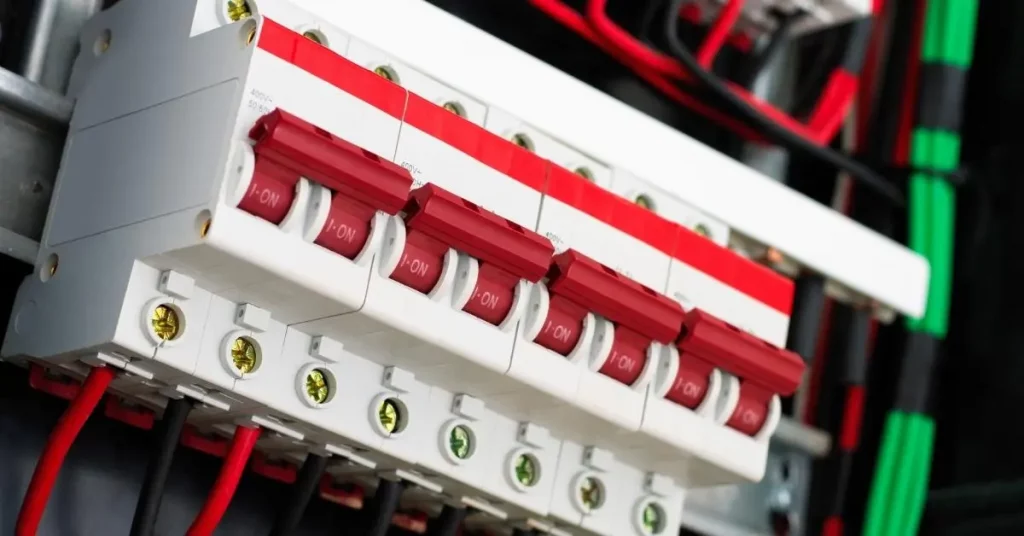
First and foremost, always turn off the power. Before you start any electrical work, locate your home's main circuit breaker and switch off the circuit that you're working on. Double-check that the power is off by testing with a voltage tester. This simple step can prevent electric shocks or short circuits, making it a crucial part of any electrical task.
Gather the right tools and materials. Using tools that are specifically designed for electrical work not only improves the quality of your work but also increases safety. Insulated tools are a must; they provide a protective barrier between you and potential electrical hazards. Always use tools and materials that meet safety standards, which is an often-overlooked but vital component of safe electrical work.
Understanding your limitations is key to safely handling electrical projects. While some tasks like installing light fixtures or swapping out switches may be straightforward, others such as rewiring or working near water sources should be left to professional electricians. Recognizing when a project is beyond your skill level is not only smart, it's safe. Hiring a certified electrician can prevent costly mistakes and ensure the work complies with electrical codes.
Wearing appropriate protective gear is another critical safety measure. Safety goggles, gloves, and rubber-soled shoes provide protection by reducing the risk of electrical shocks. These items form a basic yet crucial line of defense against potential accidents during electrical work.
Thoroughly plan your project before starting. A clear plan should include detailed steps and allow for the unexpected. This foresight ensures that you have all necessary materials and tools within reach, minimizing distractions and reducing the likelihood of accidents.
Avoid working alone if possible. Having a second person around can provide immediate assistance in case of an emergency, such as a trip to the hospital or a call to emergency services. Moreover, a helping hand can make it easier to manage larger projects that require more than two hands.
Stay alert and aware of your surroundings. Make sure the work area is free of clutter and well-lit to avoid unnecessary trips and falls. Dampen any potential fire hazards and keep flammable materials well away from the work zone.
Lastly, educate yourself with up-to-date information before beginning any electrical project. There are numerous resources available, including instructional videos and online courses that focus on safe electrical practices. Taking the time to learn from reputable sources can greatly enhance your ability to perform electrical work safely.
In conclusion, by following these essential safety tips, you can conduct your home electrical projects with confidence and security. At Brooks Electric LLC, we believe in the power of knowledge and the critical importance of safety in all electrical endeavors. Should you ever feel uncertain or overwhelmed, remember that professional help is just a phone call away, ensuring your home’s electrical system remains both functional and safe.
/filters:no_upscale()/filters:format(webp)/media/aedd3fa3-0c2a-47fd-bc70-03e96a1a59e1.jpg)
/filters:no_upscale()/filters:format(webp)/media/779f67fb-2398-4d62-aaef-bb3fa66c9b13.jpeg)